Artificial intelligence is increasingly embedded in daily life, from household devices to social media platforms, raising questions about its impact on society, education, and creativity.
A survey of 112 students and teachers at the high school found that 55.4% reported sometimes using AI, while 31.3% said they do not use it and 13.4% said they use it regularly. About 71% said AI can sometimes be used for positive purposes, while 20% said it should not be used at all.
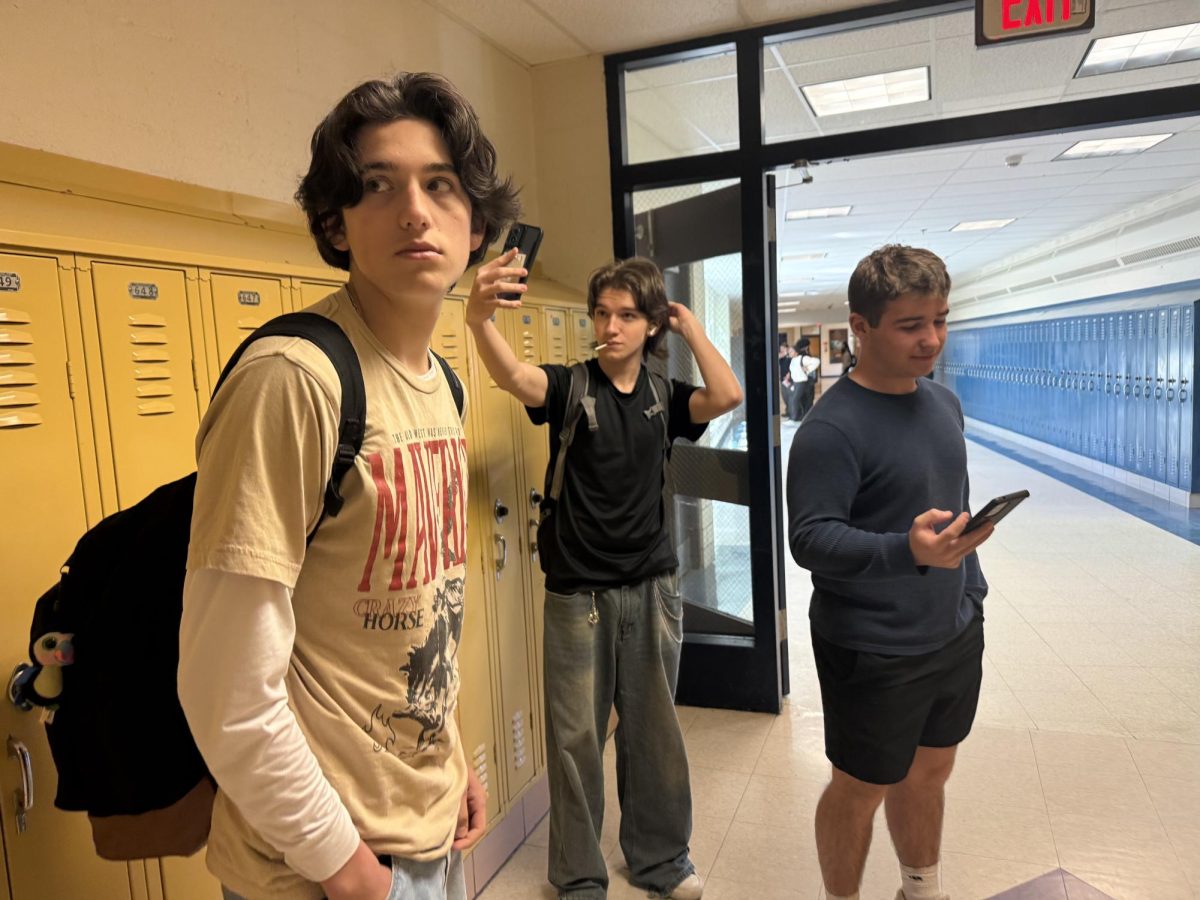
Survey respondents said the rapid growth of AI presents both opportunities and risks, particularly in areas such as academic integrity, privacy, and human creativity. In particular, students expressed mixed views on AI’s role in learning.
“AI can sometimes help students learn, but leaning on it too much can weaken the skills they’re meant to build,” said sophomore Alexander Ross.
Some students say these tools are affecting creative fields.
“It’s hurting the art community by generating an AI image and then claiming you made it by hand,” said sophomore Zivile Pagan. “It’s encouraging people not to think and be creative.”
Others noted the appeal of AI-generated media.
“Some of the videos are intriguing and satisfying,” said sophomore Lucy Hough, though she added concerns about reduced attention spans among both students and adults.
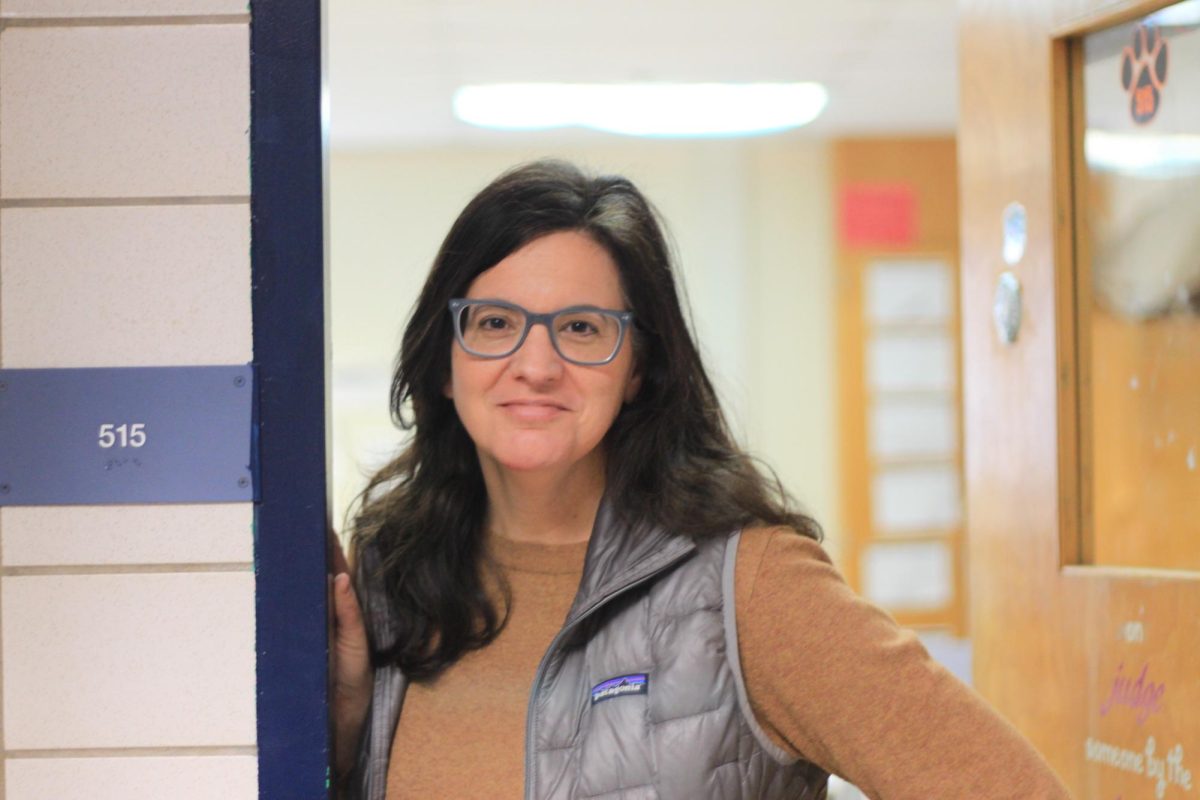
Spanish teacher Paula Lonergan said AI has become difficult to avoid. “AI is everywhere,” Lonergan said. “I hate it.”
Lonergan described using AI for a graduate-level assignment but ultimately rejecting the result. “The way it came out was nothing like what I would say,” she said. “If I got a good grade, it would feel weird.” She called the experience an “epic fail.”
Generative AI tools, including platforms such as ChatGPT, can produce text, images, audio and video within seconds. According to McKinsey & Company, generative AI refers to algorithms capable of creating new content, including code, simulations and written work.
Concerns about misuse also surfaced in discussions of scams and misinformation, including cases in which AI has been used to mimic voices or create misleading content.
Geoffrey Hinton, a British-Canadian computer scientist often referred to as a “godfather of AI,” has warned that the technology’s rapid evolution could surpass human intelligence. He has called for safeguards to reduce potential risks, comparing them to threats posed by nuclear war and pandemics.
Sophomore Caleb M. Cestero pointed to potential long-term risks as AI continues to develop. He cited the progression from artificial general intelligence to artificial superintelligence as a possible concern, particularly in relation to deepfakes, misinformation, and loss of human control.
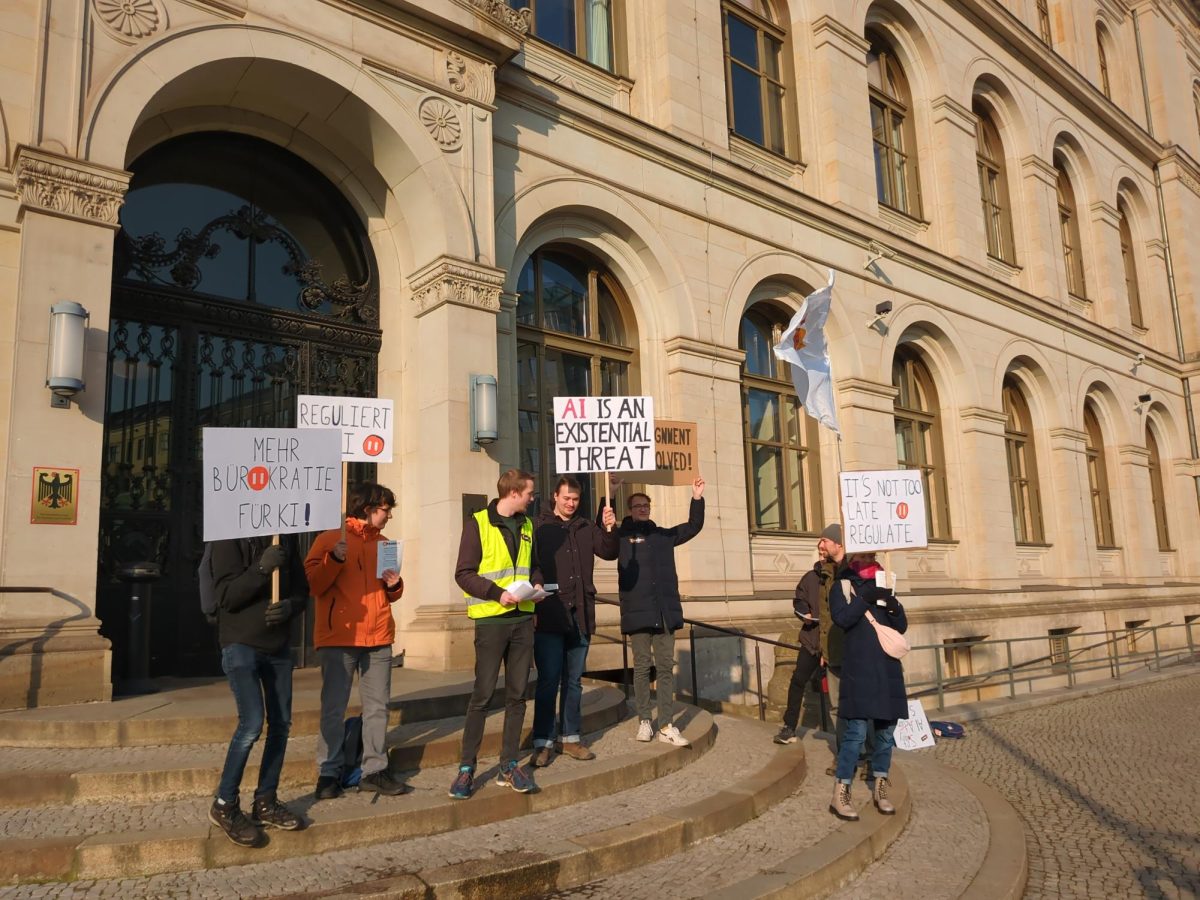
While AI remains a rapidly evolving technology, members of the school community say its role in education and society will likely continue to expand, along with debates over how it should be used and regulated.